
🚀 Introduction: Why Most Websites Fail to Rank (And How You Can Win)
If your website is not ranking on Google, the problem is rarely “bad luck.”
In most cases, it comes down to one thing — poor on-page optimization.
The truth is simple: without a proper On-Page SEO Checklist 2026, even great content stays invisible.
Search engines like Google have become smarter. In 2026, they don’t just scan keywords — they analyze:
- Content quality
- User experience
- Structure
- Relevance
That’s why blindly adding keywords no longer works.
👉 Instead, you need a strategic, structured, and updated approach.
This beginner-friendly guide will walk you through:
- What on-page SEO really means
- Why it matters more than ever in 2026
- Actionable steps you can implement immediately
By the end, you’ll have a complete On-Page SEO Checklist 2026 to start ranking faster.
📘 What is On-Page SEO? (Simple Explanation)
On-page SEO refers to optimizing everything inside your website to improve rankings on Google.
This includes:
- Content optimization
- Keyword placement
- Meta tags
- Internal linking
- Page structure
Unlike off-page SEO (like backlinks), this is 100% under your control.
👉 Think of it like this:
Your website is a house, and on-page SEO is how well you organize and decorate it for visitors and Google.
🔍 Core Elements of On-Page SEO
Here are the most important components:
- Title Tags → First impression on Google
- Meta Descriptions → Improve click-through rate
- Headings (H1–H3) → Structure your content
- Keyword Placement SEO → Helps Google understand context
- Content Quality → The most important ranking factor
⚡ Why On-Page SEO Matters More in 2026
Google’s algorithm updates now focus heavily on principles outlined in the Google Search Central guidelines to ensure helpful and user-focused content.
- User intent
- Content depth
- Helpful experience
This means:
Low-quality or poorly optimized pages simply won’t rank.
Using a strong On-Page SEO Checklist 2026 helps you:
- ✅ Rank higher on Google
- ✅ Increase organic traffic
- ✅ Improve user engagement
- ✅ Reduce bounce rate
📊 What Changed in 2026?
Here are the biggest shifts:
- Search Intent > Keywords
- Helpful Content System dominates rankings
- User experience signals are critical
- Content structure matters more than ever
👉 So if you’re still using outdated on-page SEO tips, you’re already behind.
🧠 Tip #1: Start With Search Intent (The #1 Ranking Factor)
Before writing anything, ask:
What does the user actually want?
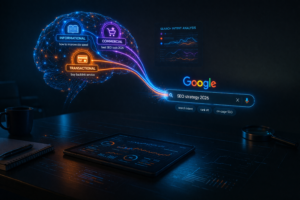
There are 3 main types of intent:
- Informational
- Commercial
- Transactional
If your content doesn’t match intent, it won’t rank — no matter how optimized it is.
✔️ How to Optimize for Search Intent
- Analyze top-ranking pages
- Match their content style
- Provide better, clearer answers
- Avoid unnecessary fluff
👉 This is the foundation of every successful SEO checklist for beginners.
✍️ Tip #2: Use the Focus Keyword Strategically
Your focus keyword — On-Page SEO Checklist 2026 — must be used smartly, not excessively.
✔️ Where to Place It
- Title (at the beginning)
- First 100 words
- At least one H2 heading
- Naturally throughout the content
⚠️ Avoid This Mistake
❌ Keyword stuffing
❌ Forced repetition
Instead:
- Keep it natural
- Focus on readability
👉 Proper keyword placement SEO is essential for better rankings, and using a meta tags generator tool can further optimize your page.
🧩 Tip #3: Optimize Your Title Tag for Clicks
Your title is what users see first on Google.
A powerful title should:
- Include your keyword
- Use numbers (like “15 Tips”)
- Add emotional triggers (Powerful, Proven, Ultimate)

✔️ Example
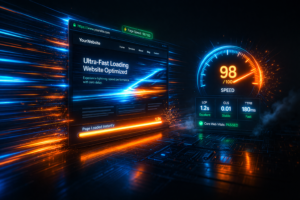
Good Title:
On-Page SEO Checklist 2026: 15 Powerful Tips to Rank #1
👉 This is one of the most effective on-page SEO tips to improve CTR instantly.
📝 Tip #4: Write a Compelling Meta Description
Meta descriptions don’t directly rank — but they influence clicks.
✔️ Best Practices
- Keep under 160 characters
- Include the focus keyword
- Add a benefit-driven hook
✨ Example
“Discover the ultimate On-Page SEO Checklist 2026 to boost rankings, optimize content, and drive more organic traffic fast.”
👉 This small tweak can significantly improve your improve Google ranking efforts.
📑 Tip #5: Use Proper Heading Structure (H1–H3)
Headings are not just for design — they help Google understand your content.
✔️ Correct Structure
- H1 → Main title
- H2 → Main sections
- H3 → Subpoints
💡 Pro Tip
Include variations of your keyword naturally in headings.
This improves:
- Readability
- SEO clarity
- User experience
👉 Strong structure is a core part of on-page optimization techniques.
🔗 Tip #6: Optimize Your URL Structure (Keep It Clean & SEO-Friendly)
A clean URL structure combined with a properly configured XML sitemap generator tool helps search engines crawl and index your pages more efficiently.
Your URL is a small detail — but it plays a big role in rankings and user trust.
A clean URL helps both:
- Users understand your page
- Google crawl your content better
✔️ Best Practices for SEO URLs
- Keep it short and simple
- Include your focus keyword: On-Page SEO Checklist 2026
- Use hyphens (-) instead of underscores
- Avoid unnecessary numbers or symbols
✨ Example
✅ Good:/on-page-seo-checklist-2026
❌ Bad:/seo?id=12345&page=checklist2026
👉 Clean URLs are a fundamental part of on-page optimization techniques that many beginners ignore.
🔄 Tip #7: Build Smart Internal Linking (Boost Authority Instantly)
Internal linking is one of the most underrated SEO strategies.
It helps:
- Distribute page authority
- Improve crawlability
- Keep users engaged longer
✔️ How to Do It Properly
- Link to relevant pages (like your Keyword Density in SEO article)
- Use descriptive anchor text
- Avoid over-linking
💡 Pro Tip
Always link:
- From high-authority pages → new pages
- Between related cluster posts
👉 This strengthens your SEO silo structure and improves rankings.
🖼️ Tip #8: Optimize Images for SEO (Faster + Smarter Pages)
Images are essential for engagement — but if not optimized, they can slow your site.
✔️ Image SEO Checklist
- Use descriptive file names (on-page-seo-checklist.jpg)
- Add alt text (important for accessibility + SEO)
- Compress images for faster loading
- Use modern formats (WebP)
✨ Example Alt Text
“On-Page SEO Checklist 2026 infographic showing ranking tips”
👉 Proper image optimization is a key part of content optimization SEO.
⚡ Tip #9: Improve Page Speed (Critical Ranking Factor)
Improving speed is easier when you use the right technical SEO tools to analyze and optimize your website structure.
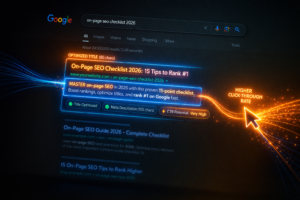
In 2026, speed = rankings.
If your site is slow:
- Users leave
- Bounce rate increases
- Rankings drop
✔️ Ways to Improve Speed
To further improve performance, you can analyze your website speed using Google PageSpeed Insights for detailed recommendations.
- Use fast hosting
- Enable caching
- Optimize images
- Minimize CSS & JavaScript
📊 Ideal Speed Targets
- Load time: under 3 seconds
- Mobile performance: high priority
👉 Page speed directly impacts your ability to improve Google ranking.
📱 Tip #10: Make Your Site Mobile-Friendly
Over 70% of users browse on mobile — and Google uses mobile-first indexing.
✔️ Mobile Optimization Tips
- Use responsive design
- Ensure text is readable
- Avoid intrusive pop-ups
- Optimize buttons for touch
💡 Why It Matters
A poor mobile experience can:
- Kill your rankings
- Reduce conversions
- Hurt user trust
👉 Mobile optimization is now a core part of SEO best practices 2026.
🧠 Quick Recap
So far in this On-Page SEO Checklist 2026, you’ve learned:
- ✔️ How to create SEO-friendly URLs
- ✔️ The power of internal linking
- ✔️ Image optimization techniques
- ✔️ Why speed matters
- ✔️ Mobile-first optimization
These steps alone can give you a strong ranking advantage over competitors still using outdated strategies.
✍️ Tip #11: Create High-Quality, Helpful Content (Google’s #1 Priority)
No matter how optimized your page is, if your content is weak — you won’t rank.
In 2026, Google prioritizes:
- Helpful content
- Real value
- User satisfaction
✔️ What Makes Content High-Quality?
- Solves a real problem
- Easy to read and understand
- Well-structured with headings
- Includes examples and clarity
💡 Pro Tip
Write for humans first, then optimize for SEO.
👉 This is the backbone of any successful On-Page SEO Checklist 2026 strategy.
📍 Tip #12: Master Keyword Placement (Without Stuffing)
Keyword placement is still important — but overdoing it can hurt rankings.
✔️ Smart Keyword Placement Areas
- First 100 words
- Headings (H2, H3)
- Image alt text
- Naturally in paragraphs
⚠️ Avoid These Mistakes
❌ Repeating keywords unnaturally
❌ Forcing keywords into every sentence
✨ Best Practice
Use variations and synonyms to maintain flow.
👉 Proper keyword placement SEO improves both rankings and readability.
🏷️ Tip #13: Optimize Meta Tags (Title + Description + More)
Meta tags help search engines understand your content and improve click-through rates.
✔️ Key Meta Tags to Optimize
- Title tag
- Meta description
- Header tags
- Image alt attributes
💡 Advanced Tip
Make your title and description:
- Emotion-driven
- Benefit-focused
- Clear and concise
👉 This is one of the most overlooked on-page SEO tips that can dramatically improve visibility.
🧠 Quick Recap
Inside this On-Page SEO Checklist 2026, you’ve now learned:
- ✔️ How to create helpful, high-quality content
- ✔️ Smart keyword placement strategies
- ✔️ Meta tag optimization
These are core ranking factors that separate top-ranking pages from average ones.
👀 Tip #14: Improve User Engagement Signals (Hidden Ranking Factor)
Google doesn’t just look at your content — it tracks how users interact with it.
These are called engagement signals, and they include:
- Time on page
- Click-through rate (CTR)
- Bounce rate
✔️ How to Improve Engagement
- Write compelling introductions
- Use short paragraphs
- Add bullet points and visuals
- Keep content easy to scan
💡 Pro Tip
Hook your reader within the first 5 seconds.
👉 Strong engagement signals tell Google your content is valuable, boosting your On-Page SEO Checklist 2026 performance.
📉 Tip #15: Reduce Bounce Rate (Keep Visitors Longer)
If users leave your page quickly, Google assumes your content isn’t helpful.
✔️ Ways to Reduce Bounce Rate
- Match search intent perfectly
- Improve page speed
- Use internal linking
- Add clear structure
✨ Example Strategy
At the end of sections, guide users like:
- “Read next: Keyword Density in SEO”
- “Explore more SEO tips here”
👉 Lower bounce rate = better chances to improve Google ranking.
📖 Bonus Section: Improve Readability (Make Content Effortless to Read)
Even great content fails if it’s hard to read.
✔️ Readability Best Practices
- Use short sentences
- Keep paragraphs under 3 lines
- Use bullet points and numbering
- Highlight important words using italics
💡 Formatting Tips
- Add spacing between sections
- Use clear headings (H2, H3)
- Avoid large blocks of text
👉 These are essential SEO content writing tips for modern rankings.
🎯 Bonus Section: Content Formatting Secrets (Pro-Level Optimization)
Well-formatted content performs better — both for users and search engines.
✔️ Advanced Formatting Techniques
- Use numbered lists for steps
- Add bold or italic emphasis
- Break complex ideas into sections
- Use consistent heading hierarchy
📊 Why It Matters
Better formatting leads to:
- Higher engagement
- Longer session duration
- Better rankings
👉 This aligns with modern SEO best practices 2026.
🧠 Quick Recap
In this section of the On-Page SEO Checklist 2026, you learned:
- ✔️ How to improve user engagement signals
- ✔️ Ways to reduce bounce rate
- ✔️ Readability optimization
- ✔️ Advanced content formatting
These factors are often ignored — but they can significantly boost your rankings.

🧠 Advanced Strategy #1: Optimize for EEAT (Experience, Expertise, Authority, Trust)
In 2026, Google heavily evaluates EEAT before ranking content.
That means your page must show:
- Real experience
- Expert knowledge
- Credibility
- Trustworthiness
✔️ How to Improve EEAT
- Add author information
- Include real examples or insights
- Link to credible external sources
- Keep your content accurate and updated
💡 Pro Tip
Even beginner content can rank if it is:
clear, helpful, and trustworthy
👉 Strengthening EEAT enhances your overall On-Page SEO Checklist 2026 effectiveness.
🔄 Advanced Strategy #2: Keep Content Fresh (Google Loves Updated Pages)
Content freshness is a major ranking factor.
Outdated content = lost rankings.
✔️ How to Keep Content Fresh
- Update statistics regularly
- Add new tips or sections
- Improve outdated examples
- Refresh your meta description
📊 Best Practice
Update your content every 3–6 months.
👉 Fresh content signals help you consistently improve Google ranking.
🔗 Advanced Strategy #3: Use Strategic Outbound Links (Boost Trust Instantly)
Linking to authority websites improves your credibility.
✔️ Best Practices
- Link to trusted sources (like Google guidelines)
- Use relevant context
- Avoid spammy or low-quality sites
💡 Why It Works
It shows Google:
- Your content is well-researched
- You provide value beyond your page
👉 This is a powerful yet simple on-page optimization technique.
📊 Advanced Strategy #4: Optimize for Featured Snippets
Featured snippets can skyrocket your traffic.
✔️ How to Win Snippets
- Answer questions clearly
- Use bullet points
- Add numbered steps
- Keep answers concise
✨ Example Format
Question: What is on-page SEO?
Answer: A short, direct explanation in 2–3 lines
👉 This strategy fits perfectly into modern SEO best practices 2026.
🧩 Advanced Strategy #5: Use Content Depth (Cover Topics Completely)
Thin content no longer ranks.
Google prefers:
- In-depth guides
- Comprehensive coverage
- Structured information
✔️ How to Add Depth
- Cover all subtopics
- Answer related questions
- Use examples and explanations
💡 Pro Tip
Think of your page as a complete resource, not just an article.
👉 This is essential for a high-performing SEO checklist for beginners.
📌 Final Optimization Checklist (Quick Action Guide)
Before publishing, make sure your page includes:
- ✔️ Focus keyword placed naturally
- ✔️ Proper heading structure (H1–H3)
- ✔️ Internal linking
- ✔️ Optimized images
- ✔️ Fast loading speed
- ✔️ Mobile-friendly design
- ✔️ High-quality content
- ✔️ Clear formatting
👉 Following this ensures your On-Page SEO Checklist 2026 is fully optimized.

🧠 Quick Recap
In this section, you learned:
- ✔️ EEAT optimization strategies
- ✔️ Content freshness importance
- ✔️ Outbound linking benefits
- ✔️ Featured snippet optimization
- ✔️ Content depth techniques
These advanced techniques help you move from:
Basic SEO → High-ranking authority content
🏁 Conclusion: Turn Strategy Into Rankings
By now, you’ve built a complete, actionable On-Page SEO Checklist 2026 that goes far beyond basic tips.
From:
- Search intent optimization
- Keyword placement
- Technical structure
- User experience signals
- Advanced EEAT strategies
👉 You now have a pro-level system to rank higher on Google.
🎯 Final Advice
SEO is not about shortcuts.
It’s about:
- Consistency
- Optimization
- Continuous improvement
💡 Action Plan
Start today:
- Audit your existing content
- Apply this checklist step-by-step
- Track improvements
- Update regularly
👉 When implemented correctly, this On-Page SEO Checklist 2026 can transform your website into a traffic-generating machine.


